


What Really Causes Air Traffic Control Delays?
- Aviation News UK

- Jun 6
- 2 min read
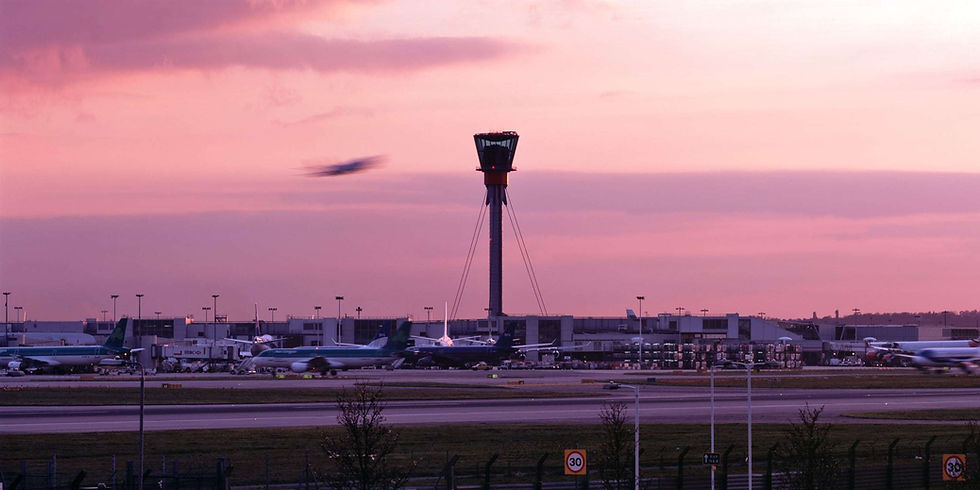
If you’ve ever boarded a flight only to hear the captain announce an “ATC restriction” or “air traffic control delay,” you’re not alone.
Across the UK and Europe, air traffic control restrictions are one of the most common causes of flight disruption — especially during busy summer periods, poor weather, or staffing shortages.
But what actually causes these delays?
What Is An ATC Restriction?
An ATC (Air Traffic Control) restriction is put in place when airspace becomes too busy or unsafe for normal traffic levels.
Controllers may temporarily limit the number of aircraft entering certain areas of airspace to maintain safe separation between flights.
This can lead to:
Delayed departures
Holding patterns
Extended taxi times
Aircraft waiting for departure clearance
Passengers will often hear this described as:
“Awaiting ATC clearance”
or
“Air traffic flow restrictions are currently in place.”
Why Do ATC Restrictions Happen?
There are several common reasons why restrictions are introduced across UK and European airspace.
Weather Disruption
Thunderstorms, strong winds, low visibility and heavy rainfall can significantly reduce the amount of traffic controllers can safely handle.
During summer, thunderstorms across Europe frequently cause:
Arrival delays
Rerouting
Airspace congestion
Airspace Congestion
Some airspace sectors become extremely busy during peak travel periods.
Routes into:
Spain
Greece
France
Italy
often experience restrictions during the summer holiday season due to high traffic demand.
Staffing Shortages
Like many industries, air traffic control providers across Europe have faced staffing challenges in recent years.
Reduced controller availability can limit the number of aircraft permitted through specific sectors.
Military Activity Or Airspace Closures
Temporary airspace closures, military exercises or operational restrictions can also force aircraft onto alternative routes, increasing congestion elsewhere.
Who Controls European Airspace?
In the UK, air traffic services are primarily managed by NATS.
Across Europe, Eurocontrol helps coordinate traffic flow between countries and can introduce regulations when congestion or disruption occurs.
These regulations may impact flights even before aircraft depart from UK airports.
Why Flights Sometimes Sit On The Ground
In many cases, it’s more efficient for airlines to delay an aircraft at the departure gate rather than have it holding in the air burning fuel.
This is why passengers may remain onboard while waiting for:
Departure slots
Airspace clearance
Updated routing
Tracking Flight Disruption In Real Time
Aviation News UK’s Live Aviation Map allows passengers to monitor:
UK airport disruption
Airspace restrictions
ATC delays
European airspace issues affecting UK flights
The map updates automatically throughout the day and includes both UK and European operational alerts.
🗺️ View the Live Aviation Map here:https://www.aviationnewsuk.com/live-map
Final Thoughts
While ATC restrictions can be frustrating for passengers, they play an essential role in maintaining safety across increasingly busy skies.
With European airspace often operating near maximum capacity during peak periods, delays caused by weather, congestion and staffing are becoming more common across the aviation industry.


Comments